

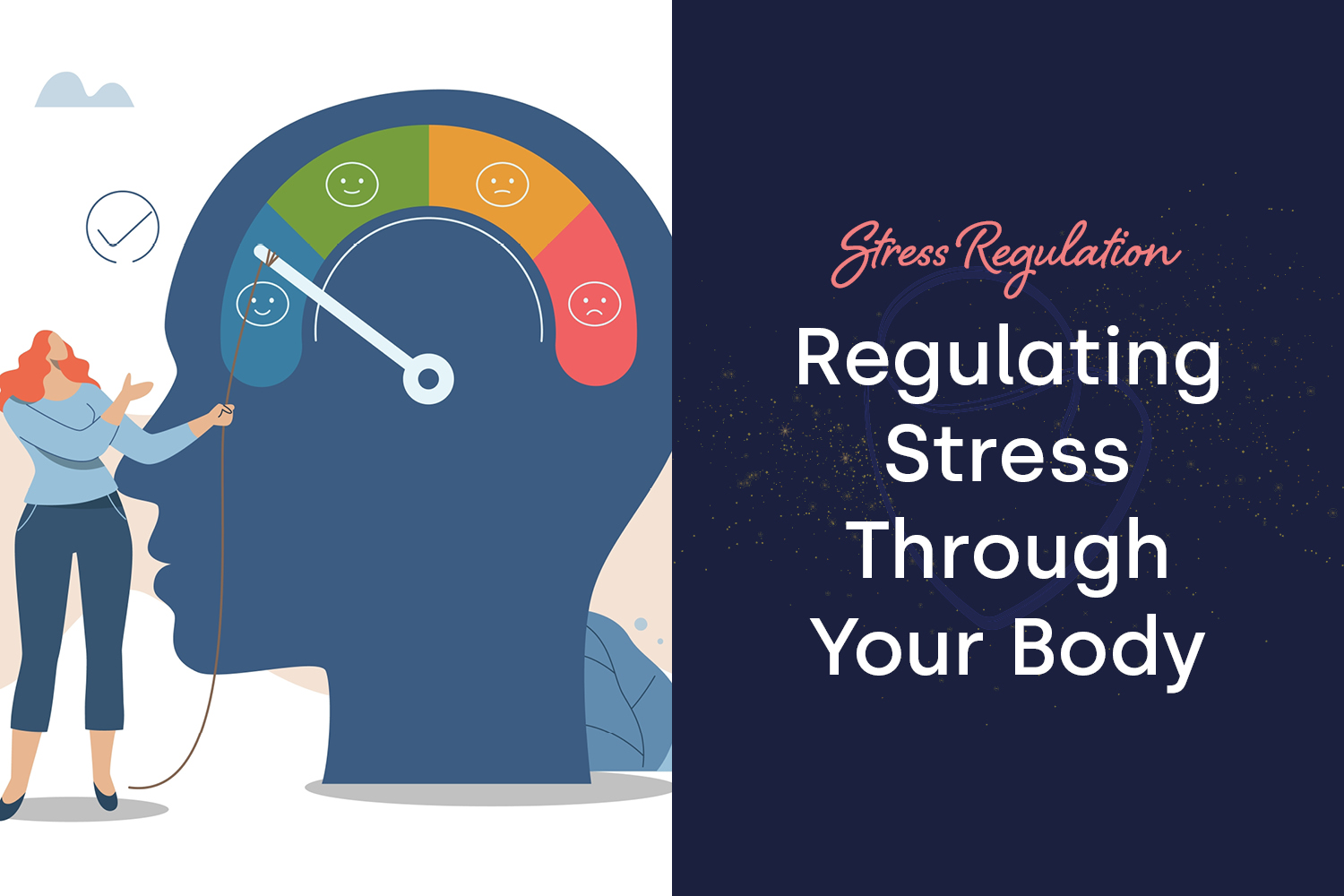
We often think of calm as a state of mind. Something we try to achieve through positive thinking or willpower. But calm is also a physical state, a deep sense of balance in the body.
When we feel stressed, our body responds physically. It is not just “in your head”. Understanding this connection is the first step towards a more lasting sense of ease.
Your nervous system is designed to react to threats. When it senses danger, whether real or imagined, it shifts into protective mode. This creates a cascade of physical changes in your body.
You might notice your muscles tensing. Your shoulders may rise towards your ears, or your jaw might clench. These are unconscious patterns, driven by your nervous system preparing for action.
Over time, these reactions can become habitual. Your body learns to hold this tension, which can affect your posture. This physical armouring is your body’s attempt to keep you safe.
Sometimes, your nervous system gets stuck in this high-alert state. This is known as dysregulation. Your body continues to act as if there is a threat, even when the stressful moment has passed.
There are early warning signs. You might notice shallow breathing, tightness in your chest, or a knot in your stomach.
These signals are part of interoception, your awareness of your internal state. They are not random. They are your body’s way of telling you that its systems are out of balance.
You can use your body to guide your nervous system back to calm. Your breath is one of the most powerful tools you have. Slow, gentle breathing sends a signal of safety to your brain.
Simple, mindful movements can help too. Gently rolling your shoulders or stretching your neck can release stored tension. These small actions interrupt the body’s habitual stress posture.
They remind your body that the threat has passed. This allows your nervous system to shift back into a state of rest and recovery.
Your spine plays a central role in this process. It houses and protects your spinal cord, which is the main communication highway between your brain and body.
For your body to regulate itself effectively, this communication needs to be clear. How well your spine moves affects the signals that travel along your nerves. Proper spinal function is key to a healthy nervous system.
Chiropractic care focuses on improving spinal movement and function. This helps ensure that messages between your brain and body are not disrupted. It supports your body’s natural ability to find balance.
Calm is not a destination. It is a state you can cultivate through practice. This is the essence of somatic work.
It is the ongoing process of listening to your body’s signals. You learn to notice the early signs of stress, and you learn how to respond in ways that restore balance.
A healthy nervous system is the foundation for this kind of resilience. If you would like to explore how we can support your body’s journey towards greater calm, we are here to help.

Ewell Chiropractic
9A Cheam Road, Ewell, Epsom KT17 1SP
Our practice is next to the central car park in the Ewell village if you travel by car. And just a 10-minute wander from both train stations in Ewell.

Website design by theshapingbay.com